
bet365 casino Plinko
Introduction
I see the phrase Bet365 casino Plinko searched for more often now because players want something different from the usual reel-based experience. Plinko looks almost disarmingly simple: you set a stake, choose a risk level, drop a ball, and watch it bounce through a field of pegs until it lands in a multiplier slot. That simplicity is exactly why the format gets attention. It removes visual clutter, strips away story-driven slot design, and puts the entire session in front of the player as a sequence of clear, fast outcomes.
But that first impression can be misleading. Plinko is easy to understand in seconds, yet the real play experience changes sharply depending on board settings, volatility, and how a player reacts to short streaks. On a page focused specifically on Bet365 casino Plinko, the important question is not whether the interface is simple. The real question is what that simplicity means in practice: how the pace feels, how results cluster, where the danger sits, and why some players find the format more engaging than many standard casino games.
In this analysis, I will stay focused on the Plinko format itself: how it works, what makes it compelling, how it differs from slots and table games, and what a player in Canada should realistically expect before starting a session.
What Plinko is and why it attracts so much attention
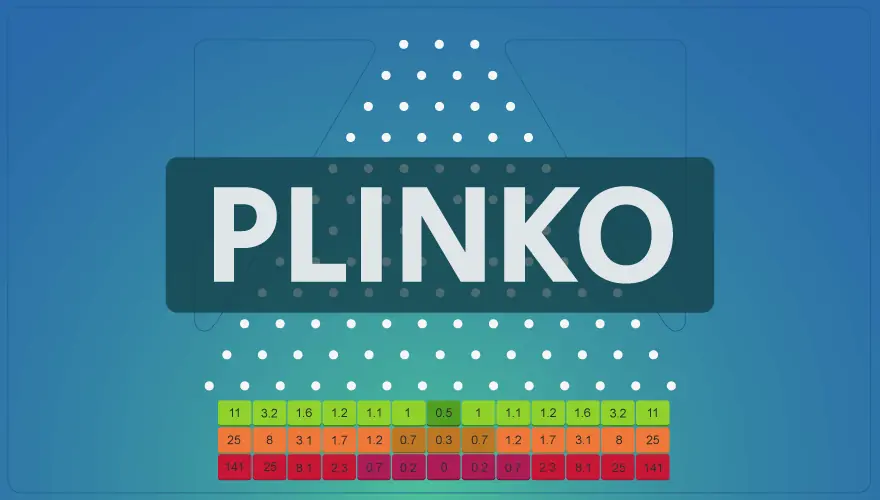
Plinko is a chance-based casino game built around a vertical board covered with pins. A ball drops from the top, hits peg after peg, and gradually moves left or right until it reaches one of the payout zones at the bottom. Each zone has its own multiplier. Lower multipliers usually sit near the centre where outcomes occur more often, while the biggest multipliers tend to be placed at the far edges, where the ball lands less frequently.
The reason this format stands out is straightforward: the player can see the randomness unfold. In slots, the internal math is hidden behind spinning reels, symbols, and bonus features. In Plinko, the path is visible. That visual transparency creates a strong psychological effect. Even when the result is still determined by the game’s random logic, the journey of the ball makes each round feel immediate and personal.
There is another reason Plinko became so noticeable. It fits modern play habits. Sessions are quick, outcomes are easy to read, and players can adjust risk without digging through layered menus or feature explanations. For many users, especially those who do not want to learn a paytable or bonus structure, this creates a lower barrier to entry than classic slots.
One of the most interesting things about Plinko is that it often feels calmer than it really is. The board looks almost toy-like, but the underlying variance can be severe. That contrast between a simple visual design and a potentially sharp bankroll swing is one of the defining features of the format.
How the Plinko mechanics actually work
At its core, the mechanic is built on repeated binary movement. As the ball hits each peg, it is deflected to one side or the other. Across many rows, these tiny deviations create a distribution of landing positions. In practical terms, the centre of the board tends to collect more outcomes, while the edges are less common. This is why the most ambitious multipliers are usually placed on the outside.
For the player, the main adjustable elements are typically the stake, the number of rows, and the risk setting. Not every version is identical, but these variables are common enough that they define how Plinko is understood across casino platforms.
| Element | What it changes | Why it matters in a real session |
|---|---|---|
| Stake size | The amount exposed on each drop | Directly affects how long a bankroll lasts and how emotionally intense each result feels |
| Risk level | The payout distribution across the board | Higher risk usually means more low-end results and rarer high multipliers |
| Rows / board depth | The path length and spread of outcomes | Can change how concentrated or stretched the multiplier map feels |
| Auto-play / repeated drops | The speed of consecutive rounds | Can accelerate variance and make losses arrive faster than the interface suggests |
What matters most is the relationship between frequent small returns and rare large ones. A player may see many drops land in modest zones, sometimes below stake return, occasionally around break-even, and only rarely in the standout multiplier pockets. This creates a session rhythm that can feel smooth for a while and then suddenly swing. A more aggressive casino comparison also needs bet365 Casino welcome offer for active players, because it covers a closely related topic inside the same brand cluster.
When I assess Plinko as a product rather than just a novelty, I pay close attention to how clearly the board communicates its payout map. If the multiplier layout is easy to read, the player can make informed choices. If it is not, the game becomes more opaque than it first appears.
Why the game feels engaging and how the session pace works
Plinko’s engagement comes from compression. A lot happens in a very short time. The player makes one or two decisions, the ball falls, the result is known, and the next round can start almost instantly. That creates a rhythm closer to repeated micro-events than to a long-form slot cycle.
This matters because tempo changes behaviour. In a slot, the player is often processing symbols, near-misses, scatter setups, and feature anticipation. In Plinko, the cognitive load is lower, so the focus shifts to patterns, streaks, and the emotional pull of “one more drop.” The simplicity of the round structure can make a session feel controlled even when the bankroll is moving quickly.
I think this is one of the most misunderstood aspects of the format. Players sometimes equate simple interface design with low intensity. In reality, Plinko can be one of the faster and more psychologically slippery products in an online casino lobby because there is very little friction between rounds. A more aggressive casino comparison also needs detailed bet365 Casino bonus information before making a deposit, because it covers a closely related topic inside the same brand cluster.
A second memorable observation: Plinko often creates stronger recall of single outcomes than slots do. Many players will forget a sequence of ordinary spins, but they will remember the exact ball that drifted toward a top multiplier and then clipped back into the middle. That visible path gives every near-miss a shape, and shape is easier to remember than abstract reel math.
Risk levels, variance, and what they mean for the player
If there is one concept a player should understand before trying Bet365 casino Plinko, it is this: the risk setting is not decorative. It fundamentally changes the texture of the session.
Low-risk setups usually compress the payout spread. The board offers fewer extreme outcomes, and results tend to cluster more tightly. This does not mean the player is safe from losses, but the ride is generally less violent. Medium-risk settings create a more mixed profile, balancing frequent modest returns with occasional stronger hits. High-risk settings stretch the board logic much further: more drops can end in poor returns, while the standout multipliers become the main attraction.
- Low risk: better suited to players who want longer sessions and less dramatic bankroll movement.
- Medium risk: often the most readable option for learning how the board behaves without fully flattening the upside.
- High risk: suitable only if the player accepts long dry stretches and understands that headline multipliers are rare by design.
That last point is where many expectations go wrong. Players see the highest multiplier and mentally price the whole game around it. In practice, the session is usually defined by the common landing zones, not the exceptional ones. The top-end numbers are part of the attraction, but they are not a realistic baseline for planning results.
A third observation that separates Plinko from many standard products: high variance here feels more visible than hidden. In a slot, volatility is often experienced through the absence or presence of features. In Plinko, the board shows you how far the ball was from a premium outcome. That can intensify both excitement and frustration.
What to understand about probability, streaks, and possible outcomes
Plinko is random, but it does not feel random in the same way as a slot. Because the ball visibly moves through the board, players often start reading meaning into short sequences. A few centre landings in a row can make the edges seem “due.” A recent high multiplier can make the next one feel less likely. Neither assumption is reliable.
What is important is the distribution logic. The centre is usually more common because there are more paths leading there. The extremes are rarer because fewer path combinations end at the edges. The exact mathematics vary by version, but the broad principle is consistent. This is why the multiplier ladder typically looks uneven: small returns in common zones, larger rewards where the probability is thinner.
For a real session, that means three things:
- The player should expect clusters of ordinary results rather than constant dramatic swings.
- Short-term outcomes can differ sharply from long-term theoretical return.
- Fast repetition can distort judgment, especially when auto-play is enabled.
One practical mistake I see often is treating a brief successful run as proof that the chosen risk level is “working.” Plinko does not reveal a stable pattern over a handful of drops. The danger is that the speed of the format encourages conclusions before enough results exist to justify them.
Another point worth stressing: a visible path does not mean a controllable path. The player may choose where to release the ball in some versions, but that should not be confused with a skill-based edge unless the specific game rules clearly support it. In most casino implementations, the outcome remains governed by randomization, not by timing mastery.
How Plinko differs from slots and other casino games
Compared with classic online slots, Plinko is radically stripped down. There are no reels, paylines, wilds, scatters, free spins, cascading symbols, or bonus rounds to learn. For some players, that is a relief. For others, it removes the sense of progression and layered anticipation that makes slots enjoyable.
The key difference is that Plinko offers directness instead of feature depth. Every round is a self-contained event. You are not building toward a bonus trigger. You are not reading symbol combinations. You are simply exposing a stake to a probability map.
| Format | Main appeal | Typical player experience |
|---|---|---|
| Plinko | Fast outcomes and visible randomness | Quick rounds, clear result logic, strong focus on variance and pacing |
| Classic slots | Feature variety and themed presentation | More layered sessions with bonuses, symbols, and broader entertainment framing |
| Roulette | Simple betting structure and table familiarity | Clear odds by bet type, but less visual journey per round |
| Crash-style games | Timing and cash-out tension | High pressure decision-making, especially around greed versus exit timing |
Against roulette, Plinko feels more animated and less static. Against crash games, it removes the cash-out decision and replaces it with passive suspense. Against slots, it trades content richness for mechanical clarity. This is why the format can be so divisive. If a player wants narrative, features, and bonus structure, Plinko may feel thin. If the player wants speed, transparency, and a cleaner relationship between stake and outcome, it can be much more appealing.
Practical strengths and real limitations of the format
The strongest part of Plinko is its readability. A player can understand the session structure almost immediately. That matters because many casino products hide complexity behind decorative design. Plinko does the opposite. It shows the board, the multipliers, and the result path in a way that is easy to process.
It also offers flexibility. Risk levels and board settings can meaningfully change the tone of a session without forcing the player into a new game altogether. That gives the format a surprising amount of range for something visually minimal.
There are, however, clear limitations. The first is repetition. Because the round structure is so lean, some players lose interest quickly. There is less thematic variety, less surprise in presentation, and fewer layers of discovery than in a strong slot release. The second is emotional compression. Sessions can move fast enough that players underestimate how much they have staked over a short period.
The third limitation is expectation management. Plinko can look fairer or more “honest” than other formats because the ball path is visible, but the house edge and variance still matter. Transparency of presentation is not the same as generosity of outcome. Players comparing real money options should also check bet365 Casino withdrawal times before deciding how the account, games, or cashier will fit their play.
Who Plinko suits and who may prefer another format
In my view, Plinko suits players who value clean design, quick rounds, and a straightforward relationship between decision and result. It also suits users who want to control session tone through risk settings rather than by switching between completely different casino games.
It may work well for players who: A more aggressive casino comparison also needs welcome bonus checklist, because it covers a closely related topic inside the same brand cluster.
- prefer short, fast sessions;
- do not want to study paytables and bonus rules;
- are comfortable with variance being central to the experience;
- like watching outcomes unfold visually in real time.
It may be a poor fit for players who:
- want story, theme, and audiovisual depth;
- prefer slower play with more built-in pauses;
- chase feature rounds and structured progression;
- find repeated low-value outcomes frustrating even when the rules are clear.
That distinction is important on a Bet 365 casino Plinko page because interest in the name alone tells me very little. The better question is whether the player’s habits match the format. Some people will appreciate the directness immediately. Others will try it once, understand it perfectly, and still decide it is too bare or too swing-heavy for their taste.
What to check before starting a Plinko session
Before launching a session, I would advise any player to look at a few practical points rather than relying on the game’s minimalist appearance.
- Check the risk setting first. Do not assume the default is the best choice for your bankroll or temperament.
- Read the multiplier map. The distribution at the bottom tells you more about likely session feel than the game’s visual style ever will.
- Set a round limit or spend limit. Because drops are fast, discipline matters more here than many players expect.
- Use demo mode if available. It helps you understand the rhythm without attaching money to every result.
- Do not confuse simplicity with softness. A clean board can still produce harsh variance.
For Canadian players in particular, this practical approach matters because Plinko is often approached as a casual side game. That can be a mistake. The format is easy to enter, but it deserves the same level of bankroll awareness as any other real-money casino product.
Final verdict on Bet365 casino Plinko
Bet365 casino Plinko offers a very specific kind of experience: fast, visually transparent, and heavily shaped by variance. Its strength is not complexity. Its strength is clarity. You can see the board, understand the stake exposure, and feel the session rhythm almost immediately. For players who are tired of overloaded slot interfaces or who want a cleaner, quicker format, that is a genuine advantage.
At the same time, the game asks for caution. The simple presentation can hide how quickly results accumulate, and high-risk settings can turn a casual session into a sharp bankroll swing. The most important thing to understand is that Plinko is not shallow just because it is easy to read. Under the surface, it is a concentrated probability game where pacing, streaks, and multiplier distribution shape everything.
So what does Plinko really offer? It offers immediacy, visible suspense, and a format that lets the player choose between a steadier session and a more aggressive one. Its strongest qualities are accessibility and tempo. Its weak points are repetition and the potential to underestimate variance. That is why it works so well for some players and not at all for others. If you enjoy direct mechanics, short rounds, and a clear sense of how the board is structured, Plinko is worth trying. If you want depth, bonus progression, and a slower emotional curve, another format will probably suit you better.
FAQ
How does Plinko ball-drop gameplay work in real-money play?
A ball drops from the top grid into the pegs, bouncing toward the payout slots below. The slot it lands in determines the multiplier and the result for that round. Stakes and payout lines are tied to the selected bet size before the drop.
Where can the Plinko rules and risk level be checked before starting a session?
The game screen shows the current rules, payout mapping, and round settings before launching the next drop. Bet365 also keeps the latest information accessible from the game interface, so players can review it right away.
Is Plinko available in demo mode and real-money play, and how is the difference shown?
Demo mode is designed for practice without real-money results, while real-money play uses the selected balance and bet size. The interface typically marks which mode is active so the stakes and outcomes match the chosen environment.
How do bet and stake settings work for Plinko rounds?
Stakes are set before the ball is launched, and each round uses the current bet amount. If bet controls are changed mid-round, the next drop uses the updated value. The multiplier then applies to that selected stake.
What is the fastest way to switch between mobile play options for Plinko: the mobile casino app or a browser?
The mobile casino app is built for quick access, while the mobile browser version offers a similar experience without installation. If the game doesn’t load smoothly on one option, switching method (app to browser or browser to app) often resolves it. Checking connection stability also helps.